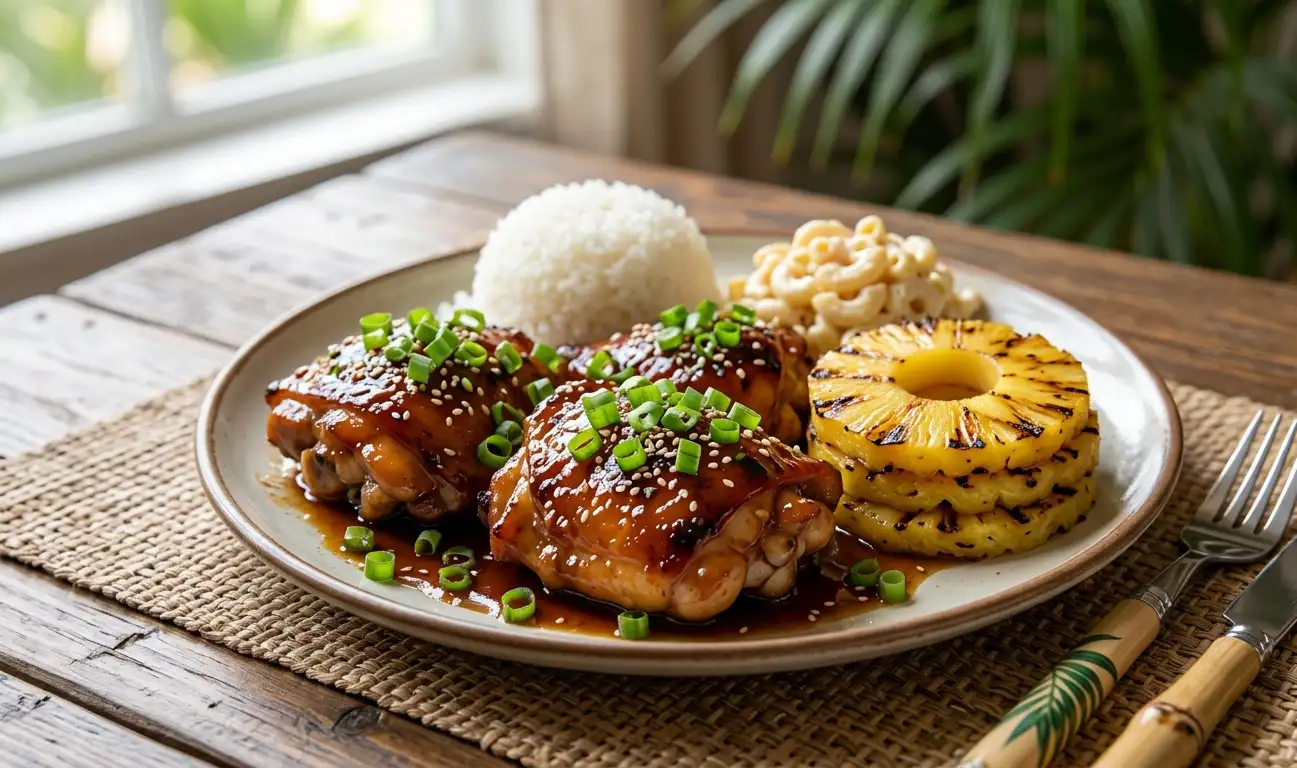
If you’ve ever tasted something so good it made you close your eyes for a second that’s what this molokai chicken recipe does to me every single time. It’s sweet, it’s savory, it’s got this gorgeous caramelized glaze that just clings to the chicken like it was born to be there. And the best part? You don’t have to book a flight to Hawaii to get it.
I first made this at home after trying a version at a local Hawaiian-fusion restaurant, and honestly, I haven’t stopped making it since. The molokai chicken recipe is one of those dishes that sounds impressive but is surprisingly approachable even if you’re not someone who spends a lot of time in the kitchen. Whether you’re cooking for a weeknight dinner or a backyard cookout, this one always gets rave reviews.
Let me walk you through everything: the ingredients, the marinade secrets, the best cooking methods, and even the mistakes to dodge. By the end of this post, you’ll have everything you need to nail this dish on your first try.
What Is Molokai Chicken?
So, where does Molokai chicken actually come from? Molokai is one of Hawaii’s lesser-known islands quieter than Maui or Oahu, but absolutely rich in culture, tradition, and local food. Molokai chicken, at its core, is a Hawaiian-style marinated chicken dish that brings together the bold, salty depth of soy sauce with the tropical sweetness of pineapple juice and the warmth of ginger and garlic.
This isn’t a recipe that’s been around for centuries it’s more of a modern Hawaiian cuisine staple that evolved from the fusion of Pacific Islander cooking traditions and Asian culinary influences. Think teriyaki-style but with more tropical character. The pineapple juice isn’t just for flavor; it actually acts as a natural tenderizer that breaks down the muscle fibers in the chicken, making every bite incredibly juicy.
What makes Molokai chicken stand out from, say, regular grilled chicken or even standard teriyaki chicken is the layering of flavors. You get that umami backbone from soy sauce, then a hint of sweetness from brown sugar or honey, a little kick from fresh ginger, and that unmistakable tropical brightness from pineapple. It’s a flavor profile that just works on every level.
If you’ve never explored Hawaiian cuisine before, Molokai chicken is honestly one of the best entry points. It’s accessible, uses pantry-friendly ingredients (mostly), and delivers restaurant-quality results at home.
Ingredients Breakdown
Before we get into the actual steps, let me talk about the ingredients and why each one is there. I think understanding the “why” behind a recipe makes you a better cook — and it helps you make smart swaps when needed.
Here’s what you’ll need:
| Ingredient | Amount | Purpose |
| Bone-in chicken thighs | 4–6 pieces | Best cut for juicy results |
| Soy sauce | ⅓ cup | Umami, salt, color |
| Pineapple juice | ½ cup | Natural tenderizer + tropical sweetness |
| Brown sugar | 3 tbsp | Caramelization and depth |
| Honey | 2 tbsp | Glaze and shine |
| Fresh garlic (minced) | 4 cloves | Aromatics and bold flavor |
| Fresh ginger (grated) | 1 tbsp | Warmth and spice |
| Sesame oil | 1 tsp | Nutty finish |
| Rice vinegar | 1 tbsp | Brightness and balance |
| Crushed red pepper flakes | ½ tsp (optional) | Heat |
| Green onions + sesame seeds | For garnish | Freshness and texture |
Soy sauce is the foundation of this marinade. It brings saltiness and that deep, savory umami quality that makes the dish taste rich without being heavy. I always go for low-sodium soy sauce so I can control the salt level better especially since brown sugar and honey are also going in there.
Pineapple juice is doing double duty. First, the natural enzymes (bromelain) in pineapple actively break down protein in the chicken, making it more tender. Second, it adds that unmistakable tropical sweetness that defines this dish. Don’t skip it or substitute it with orange juice the flavor won’t be the same.
Brown sugar caramelizes when it hits heat, giving the chicken that gorgeous golden-brown color and sticky glaze. It also adds molasses-y depth that straight white sugar just can’t offer. Honey works alongside it to create that glossy, restaurant-style finish you want on the outside of the chicken.
Garlic and ginger are your aromatics. Fresh is always better here jarred garlic just doesn’t carry that same punch. The ginger especially brings a warming, slightly spicy note that makes this feel alive rather than flat.
Sesame oil goes in just a teaspoon, but don’t underestimate it. It adds this nutty, toasty dimension that ties everything together. You’ll smell it and immediately know this chicken is going to be something special.
Rice vinegar is the secret brightness agent. When you’ve got sweet, salty, and savory all fighting for attention, a little acid cuts through and lifts the whole marinade. It’s subtle, but you’d notice if it was missing.
Best Chicken Cut for Molokai Chicken
Let’s talk chicken cuts, because this actually matters more than most people think. I’ve made this recipe with breasts, thighs, drumsticks, and even wings and I’ll tell you straight up: chicken thighs win every time.
Chicken thighs have more fat and connective tissue than breasts, which means they stay moist even if you cook them a little longer than planned. Since this recipe uses a sugar-heavy marinade that can burn if you’re not careful, having that built-in fat buffer in thighs gives you more room for error. They also absorb the marinade better, which means more flavor in every bite.
Bone-in, skin-on thighs are my top recommendation. The bone helps distribute heat evenly, and the skin crisps up beautifully in a pan or on the grill, acting as a little shell that locks in all those juices. If you’re going boneless for ease of slicing and serving, boneless thighs still work great.
Chicken breasts can work if you really prefer them but you need to be extra careful not to overcook them, or they’ll dry out fast. If you go with breasts, I’d suggest slicing them into thick cutlets or using a meat mallet to pound them to an even thickness before marinating. This helps with even cooking and helps the marinade penetrate better.
Drumsticks are another fun option if you’re feeding a crowd they’re budget-friendly, hold up well to high heat, and are easy to eat at a cookout. Just add a few extra minutes to the cooking time.
Step-by-Step Molokai Chicken Recipe
Alright, here’s where the magic happens. Follow these steps closely and I promise you’ll get perfectly cooked, flavor-packed Molokai chicken every single time.
Prep time: 15 minutes Marinating time: 2–8 hours (overnight preferred) Cook time: 25–35 minutes Total time: ~3 hours minimum (including marinade) Servings: 4–6
Step 1: Make the Marinade
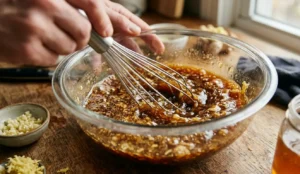
In a medium mixing bowl, whisk together the soy sauce, pineapple juice, brown sugar, honey, minced garlic, grated ginger, sesame oil, rice vinegar, and red pepper flakes (if using). Whisk until the sugar is fully dissolved and everything is well combined. Taste it — it should smell amazing and taste like a balance of sweet, salty, and tangy all at once.
Step 2: Marinate the Chicken
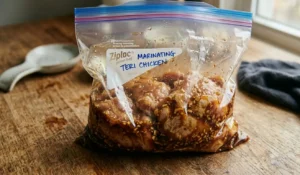
Place your chicken thighs in a large zip-lock bag or a shallow baking dish. Pour the marinade over the chicken, making sure every piece is well coated. Seal the bag or cover the dish with plastic wrap and refrigerate. Let it marinate for at least 2 hours, but overnight (8 hours) is where you’ll get the deepest, most developed flavor. Don’t go beyond 24 hours the pineapple enzymes can start breaking down the texture too much.
Step 3: Prep for Cooking
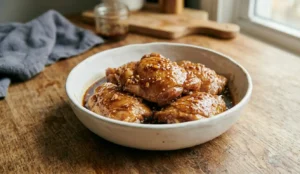
When you’re ready to cook, pull the chicken out of the fridge about 20–30 minutes before cooking. Letting it come closer to room temperature helps it cook more evenly. Reserve the marinade we’re going to reduce it into a glaze.
Step 4: Make the Glaze
Pour the reserved marinade into a small saucepan. Bring it to a boil over medium-high heat, then reduce to a simmer and let it cook for 8–10 minutes until it thickens and becomes syrupy. This step is important both for flavor and food safety boiling the marinade kills any bacteria from the raw chicken.
Step 5: Cook the Chicken
For stovetop: Heat a large cast-iron or heavy-bottomed skillet over medium heat with a little cooking oil. Place the chicken skin-side down and cook for 6–8 minutes until nicely browned. Flip and cook the other side for another 6–8 minutes. Brush with the glaze during the last 3–4 minutes of cooking.
For oven: Preheat to 400°F. Place chicken on a lined baking sheet or cast-iron skillet. Roast for 25–30 minutes, brushing with glaze during the last 10 minutes. Broil for 2–3 minutes at the end for caramelization.
Step 6: Check Internal Temperature
This is non-negotiable — always use a meat thermometer. The chicken needs to hit an internal temperature of 165°F at the thickest part, not touching the bone. This ensures it’s fully cooked through and safe to eat, while still being juicy.
Step 7: Rest and Serve
Let the chicken rest for 5 minutes after cooking before cutting into it. This allows the juices to redistribute. Garnish with sliced green onions, sesame seeds, and a squeeze of fresh lime juice if you like. Serve hot.
Learn More Recipes
Marinade Secrets
The marinade is really the heart of this molokai chicken recipe, and I want to give it the attention it deserves because there’s actual science happening when you marinate chicken.
When the marinade sits on the chicken, the salt in the soy sauce begins to draw moisture out of the meat through osmosis. Then, the solution now carrying all those dissolved flavors gets pulled back into the meat. So over time, the flavor literally travels deeper into the chicken rather than just sitting on the surface. That’s why marinating overnight produces such dramatically better results than a quick 30-minute dip.
The pineapple juice contains bromelain, a natural enzyme that targets the proteins in muscle tissue. It gently breaks them down, loosening the fibers so the chicken becomes more tender as it marinates. But here’s the catch: too long in pineapple juice and the texture gets mushy. That’s why the sweet spot is 4–8 hours, with overnight being ideal for bone-in thighs.
The brown sugar and honey work together to create what’s called the Maillard reaction when they hit the heat. This is the chemical process responsible for that gorgeous golden-brown crust and that deep, complex caramel flavor. Without sugar, you’d have nicely cooked chicken but not that sticky, lacquered finish that makes Molokai chicken so craveable.
One tip I swear by: always marinate in the refrigerator, never at room temperature. Bacteria multiply rapidly at room temp, and chicken is particularly prone to foodborne illness. Keep it cold, keep it safe.
Cooking Methods Comparison
One of the things I love about this recipe is that it’s flexible. You can cook Molokai chicken several different ways depending on what equipment you have and the vibe you’re going for.
Grilling
Grilling is probably the most traditional and most flavorful method. The high, direct heat from the grill creates those beautiful char marks and caramelizes the sugary marinade in a way nothing else can replicate. Use medium-high heat, watch carefully for flare-ups from dripping fat, and brush with your reduced glaze in the last few minutes. Grilled Molokai chicken pairs perfectly with a summer cookout spread.
Pan-Searing (Stovetop)
This is my weeknight go-to. A cast-iron skillet over medium heat gives you excellent browning and crisps up the skin beautifully. The advantage here is control — you can easily adjust the heat if things are getting too dark too fast. It’s also easier to baste the chicken with the glaze repeatedly to build up layers of flavor.
Oven Roasting
Oven roasting is the most hands-off method and great for cooking larger batches. Set it to 400°F, roast until almost done, then hit it with the glaze and broil for a couple minutes to get that caramelized finish. The oven produces juicy, evenly cooked chicken, though you won’t get the same smoky char as grilling.
Air Fryer
Surprised to see this one? Don’t be the air fryer actually does a phenomenal job with Molokai chicken. The circulating hot air crisps the skin and cooks the chicken fast. Set to 380°F, cook for 18–22 minutes (flipping halfway), and brush with glaze in the last 5 minutes. It’s quick, efficient, and produces surprisingly good results with minimal mess.
Common Mistakes to Avoid
Even a great recipe can go sideways if you hit a few common pitfalls. Here’s what to watch out for:
Skipping the marinade time. I know life gets busy, but a 15-minute marinade just doesn’t do this recipe justice. You need at least 2 hours preferably more for the flavors to really sink in. Plan ahead and you’ll thank yourself later.
Burning the glaze. Because of the sugar content in the marinade, this chicken can go from perfectly caramelized to scorched pretty fast, especially on a grill or hot pan. Keep the heat at medium, not high, and never walk away when you’re brushing on the glaze. Watch it like a hawk in those last few minutes.
Not reducing the marinade. Some people just brush raw marinade on the chicken as it cooks, but that’s both unsafe (raw chicken bacteria) and wasteful flavor-wise. Reducing it concentrates the flavors and creates a thick glaze that actually sticks to the meat. Take the 10 minutes to do this step.
Using cold chicken straight from the fridge. Cooking chicken that’s still fridge-cold leads to uneven cooking the outside gets done before the inside reaches 165°F. Let it sit out for 20–30 minutes before cooking.
Cutting into the chicken right away. I get it, it smells incredible and you want to dig in immediately. But resting the meat for 5 minutes after cooking makes a real difference in juiciness. The fibers need time to relax and reabsorb those juices.
Pro Tips
Want to take your Molokai chicken from “really good” to “absolutely restaurant-worthy”? Here are a few things I’ve learned over years of making this dish.
Score the chicken skin with a sharp knife before marinating. Just make a few shallow cuts through the skin this lets the marinade penetrate deeper and also helps the skin get crispier during cooking.
Add a tablespoon of fish sauce to the marinade if you want deeper umami complexity. It sounds weird, but it dissolves into the background and just makes everything taste richer. Nobody will be able to put their finger on it, but everyone will notice the dish tastes a little extra.
If you’re grilling, set up a two-zone fire one side with high heat for searing and one side with indirect heat for finishing. Sear the chicken on the hot side first to get the char, then move to the cooler side to finish cooking through without burning the glaze.
For the glaze, add a small knob of butter (about 1 tbsp) right at the end of reducing it. This gives the glaze a silky, glossy finish that looks absolutely stunning on the plate.
Always let your glaze cool slightly before brushing it on. Hot glaze runs right off the chicken; a slightly thickened, cooled glaze clings and coats far better.
Variations of Molokai Chicken
Once you’ve nailed the base recipe, there are so many fun directions you can take it. Here are some of my favorite variations:
Spicy Molokai Chicken
Turn up the heat by doubling the red pepper flakes and adding a tablespoon of sriracha or sambal oelek to the marinade. You can also drizzle chili crisp over the finished dish for texture and fire. The sweet-heat combination is absolutely addictive — it’s the kind of thing you keep going back to even when you’re already full.
Honey Glaze Version
If you want to lean harder into the sweet and sticky angle, reduce the soy sauce slightly and double the honey. Finish the chicken with a pure honey glaze (just honey, a splash of soy, and a little butter reduced together) in the last few minutes of cooking. It gets gloriously caramelized and almost candied on the outside.
Pineapple Chunk Version
For a more tropical presentation, thread marinated chicken pieces and fresh pineapple chunks onto skewers and grill them together. The pineapple chars and caramelizes alongside the chicken, and that combination of smoky, charred fruit with sweet-savory chicken is otherworldly. This version is perfect for summer entertaining.
Coconut Molokai Chicken
Replace half the pineapple juice with full-fat coconut milk for a creamier, richer marinade with a subtle coconut flavor that really leans into the Hawaiian cuisine vibe. The coconut adds a silky quality to the finished dish and pairs beautifully with jasmine rice.
Sheet Pan Version
Toss the marinated chicken on a sheet pan with sliced bell peppers, red onion, and pineapple chunks. Roast at 400°F until everything is caramelized and tender. It’s a full dinner on one pan with almost zero cleanup perfect for busy weeknights.
What to Serve with Molokai Chicken
The sides you choose can really make or break the whole meal. Molokai chicken has such a bold flavor profile that you want sides that complement without competing.
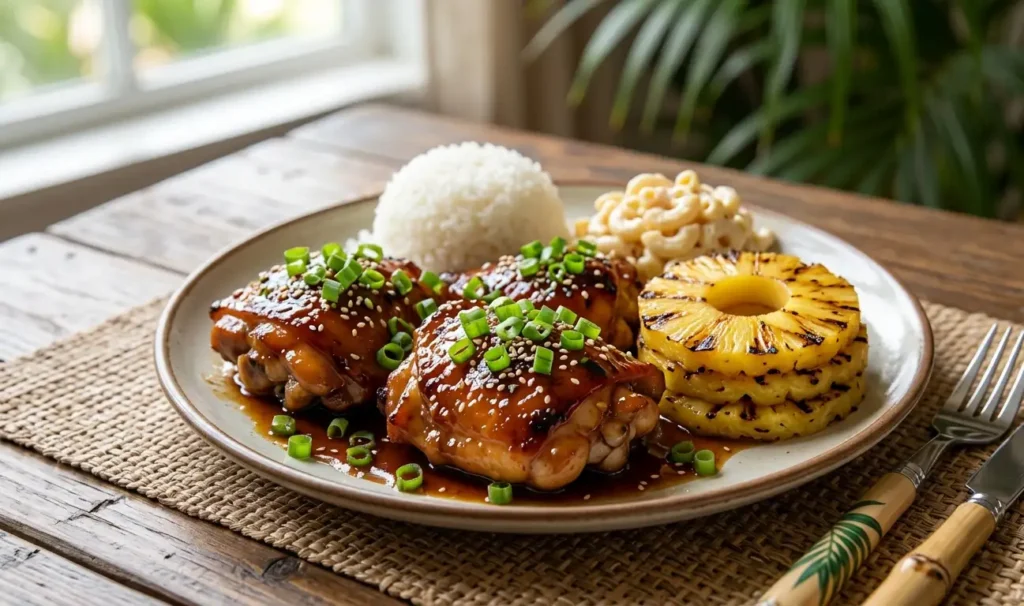
White rice is the classic and most natural pairing. Plain steamed jasmine rice is perfect it’s neutral, fluffy, and acts as the ideal base to soak up all that incredible glaze. I sometimes do half jasmine, half coconut rice for extra tropical vibes.
Hawaiian macaroni salad is a must if you’re going for the full island experience. It’s creamy, slightly tangy, and cool which is a lovely contrast to the warm, caramelized chicken. It’s a staple of the classic Hawaiian plate lunch combo.
Grilled pineapple is another natural partner. Slice fresh pineapple into rings, grill them for 2–3 minutes per side until you get char marks, and serve alongside the chicken. The caramelized pineapple mirrors the sweetness of the glaze and adds beautiful color to the plate.
Steamed broccoli or roasted bok choy keep things light and add a green element without fuss. A simple sesame dressing on the vegetables ties them right into the flavor profile of the chicken.
Dinner rolls or Hawaiian sweet rolls are great for mopping up every last drop of that glaze. Soft, slightly sweet, and perfect for scooping.
Storage & Reheating
Got leftovers? Lucky you Molokai chicken actually reheats really well, which makes it great for meal prep too.
- Storing: Let the chicken cool completely before storing. Place it in an airtight container in the refrigerator, where it’ll keep well for up to 4 days. If you want to freeze it, wrap individual pieces in plastic wrap and place in a freezer-safe bag. It’ll keep in the freezer for up to 3 months.
- Reheating in the oven: This is the best method for preserving the texture and glaze. Place the chicken in a baking dish, cover loosely with foil, and reheat at 325°F for 15–20 minutes. Remove the foil for the last 5 minutes to re-crisp the skin.
- Reheating in the microwave: Quick but not ideal for skin-on chicken since the microwave makes the skin rubbery. If you’re going this route, place the chicken on a microwave-safe plate, cover with a damp paper towel, and heat in 60-second intervals until warmed through.
- Reheating in the air fryer: Best method for getting that skin crispy again. Set to 350°F and heat for 5–8 minutes. The skin will re-crisp nicely and the glaze will come back to life.
Leftover Molokai chicken is also incredible sliced over rice bowls, tucked into wraps with slaw and avocado, or chopped and tossed into fried rice.
Nutrition Information
This is an estimate based on one serving (1 bone-in chicken thigh with glaze, skin-on), and values will vary depending on exact ingredients and portion size.
| Nutrient | Per Serving |
| Calories | 320–380 kcal |
| Protein | 26–30g |
| Total Fat | 14–18g |
| Saturated Fat | 4–5g |
| Carbohydrates | 18–22g |
| Sugar | 14–16g |
| Sodium | 750–900mg |
| Fiber | 0g |
The sodium is on the higher side due to the soy sauce if you’re watching sodium intake, use low-sodium soy sauce and reduce the amount slightly. The sugar comes primarily from the pineapple juice, brown sugar, and honey used in the marinade and glaze.
Chicken thighs are a great source of B vitamins, zinc, and selenium, and the protein content makes this a satisfying main course that keeps you full.
Molokai Chicken Recipe
Ingredients
Equipment
Method
- In a bowl, mix soy sauce, pineapple juice, brown sugar, honey, garlic, ginger, sesame oil, vinegar, and red pepper flakes. Stir until sugar dissolves.
- Add chicken to marinade, coat well, cover, and refrigerate for at least 2 hours (overnight best).
- Remove chicken from fridge 20–30 minutes before cooking.
- Pour leftover marinade into a saucepan
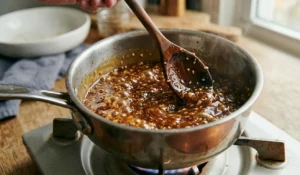
- Boil and simmer for 8–10 minutes until thick
- Heat pan on medium
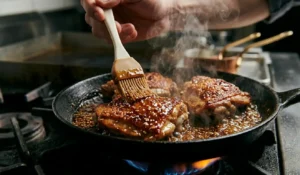
- Cook chicken 6–8 min each side
- Brush glaze in last few minutes
- Preheat to 400°F (200°C)
- Bake 25–30 minutes
- Broil 2–3 minutes for caramelization
- Cook at 380°F for 18–22 minutes
- Cook until internal temp reaches 165°F (75°C).
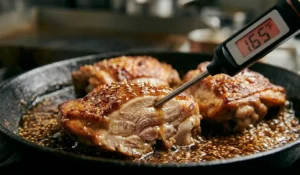
- Rest chicken for 5 minutes
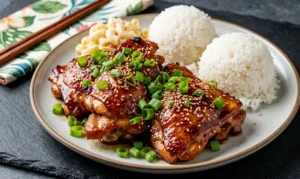
- Garnish with green onions & sesame seeds
- Serve hot
FAQs
Q1. What does Molokai chicken taste like?
Molokai chicken has a complex, layered flavor that’s sweet, savory, slightly tangy, and deeply umami-rich. The pineapple juice gives it a tropical brightness, the soy sauce provides saltiness and depth, and the caramelized sugar glaze adds a sticky, almost candy-like coating that’s absolutely irresistible. It’s similar to teriyaki chicken but with more complexity and a definite Hawaiian flair.
Q2. Can I use chicken breasts instead of thighs?
Yes, you can use chicken breasts, but I recommend boneless, skinless breasts pounded to even thickness to ensure they cook evenly. Be careful not to overcook them breasts reach 165°F faster than thighs and dry out quickly. Thighs are more forgiving and juicier, so they’re the preferred cut for this recipe.
Q3. How long should I marinate the chicken?
For best results, marinate the chicken for a minimum of 2 hours, but overnight (6–8 hours) in the refrigerator is ideal. This gives the soy sauce time to penetrate the meat and the pineapple enzymes time to tenderize it. Don’t exceed 24 hours, or the meat can become mushy from the enzymes.
Q4. Can I make this recipe ahead of time?
Absolutely. The marinade can be made up to 3 days ahead and stored in the fridge. You can also marinate the chicken overnight and cook it the next day, which actually produces better flavor. The cooked chicken stores well for up to 4 days in the refrigerator.
Q5. Is Molokai chicken spicy?
The base recipe is not spicy it’s primarily sweet and savory. The optional red pepper flakes add just a very mild warmth. If you want heat, you can add sriracha, sambal oelek, or extra chili flakes to the marinade. It’s easy to customize to your preferred spice level.
Q6. Can I grill Molokai chicken from frozen?
I don’t recommend grilling or cooking chicken directly from frozen, as it cooks unevenly and you risk the outside burning before the inside reaches a safe temperature. Always thaw frozen chicken completely in the refrigerator before cooking.
Q7. What can I substitute for pineapple juice?
If you really can’t find or use pineapple juice, mango juice is the closest substitute and keeps the tropical character. Fresh orange juice also works in a pinch, though it’s less tropical and the tenderizing effect will be less pronounced.
Conclusion
Here’s what I want you to take away from all of this: the molokai chicken recipe isn’t complicated, but it does reward patience. The overnight marinade, the reduced glaze, the 5-minute rest after cooking these small details add up to something that tastes genuinely special. It’s the kind of dish that makes people lean in after the first bite and ask, “Wait, you made this at home?”
I’ve brought this to potlucks, made it for date nights, and thrown it on the grill for July 4th, and it always disappears fast. Once you try it, I think it’ll become a regular rotation in your kitchen too. So grab those chicken thighs, mix up that marinade tonight, and let the flavors do their thing. You won’t regret it.