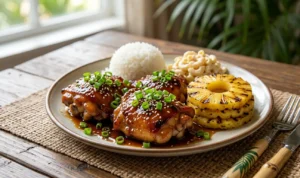
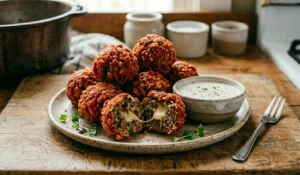
If you’ve ever stood in your kitchen wondering how to cook something that’s not just tasty—but actually feels good to eat this guide is for you. Over the past year, I’ve found myself leaning more into what I now call heartumental cooking.
It’s that sweet spot where comfort food meets mindful eating. Nothing complicated, nothing overly trendy—just real food that nourishes both your body and your mood.
In this complete Heartumental Recipe Guide, I’ll walk you through everything from what this cooking style really means to practical recipes you can start making tonight. Whether you’re a beginner or someone trying to cook more intentionally, this guide will help you simplify your meals while making them more satisfying.
What is Heartumental Cooking?
Let me break this down in the simplest way possible—heartumental cooking is about cooking with intention, balance, and emotional connection. It’s not just about calories or presentation. It’s about how food makes you feel before, during, and after eating.
When I first started exploring this approach, I realized I had been cooking on autopilot. I’d throw meals together quickly, focusing on speed instead of experience. Heartumental cooking changed that for me. It blends comfort food with clean eating, and the result is something deeply satisfying.
Heartumental cooking is a mindful cooking approach that combines emotional comfort, nutritional balance, and simple preparation techniques to create meals that support both physical and mental well-being.
Think about your favorite meal growing up. It probably wasn’t just delicious—it had a memory attached to it. That’s the emotional side. Now combine that with modern nutrition—whole grains, lean proteins, fresh vegetables—and you’ve got a powerful combination.
This style encourages:
- Cooking slower (even if recipes are quick)
- Choosing ingredients that fuel your body
- Being present while cooking and eating
Why It’s Trending in 2026
In 2026, people are burned out from extreme diets and complicated recipes. The shift is toward balanced, realistic cooking habits. Social media trends are leaning toward “real-life meals” instead of picture-perfect dishes.
Heartumental cooking fits perfectly because:
- It’s beginner-friendly
- It’s flexible (no strict rules)
- It focuses on well-being, not perfection
Benefits of Heartumental Recipes
Once I started cooking this way, I noticed changes almost immediately—not just physically, but mentally too. Let’s talk about why this approach works so well.
Physical Health
Heartumental recipes are built around whole, minimally processed ingredients. That means:
- Better digestion
- More stable energy levels
- Fewer sugar crashes
Instead of cutting out food groups, you’re balancing them. You’re still eating carbs—but smarter ones like quinoa, brown rice, or whole-grain pasta.
Mental Wellness
This is where things really stand out.
Cooking becomes less stressful and more therapeutic. When I started focusing on how food made me feel, I stopped obsessing over “good vs bad” foods. That shift alone reduced a lot of food anxiety.
Benefits include:
- Less decision fatigue
- More enjoyment in cooking
- A stronger connection to meals
Time-Saving
Here’s the surprising part—this isn’t slow cooking. Most heartumental meals are actually quick and efficient.
You’re working with:
- Simple recipes
- Fewer ingredients
- Smart prep methods
So instead of spending hours cooking, you’re just cooking smarter.
Budget-Friendly
Because you’re using:
- Pantry staples
- Seasonal vegetables
- Affordable proteins
You naturally spend less money. No need for fancy or imported ingredients.
Essential Ingredients for Heartumental Cooking
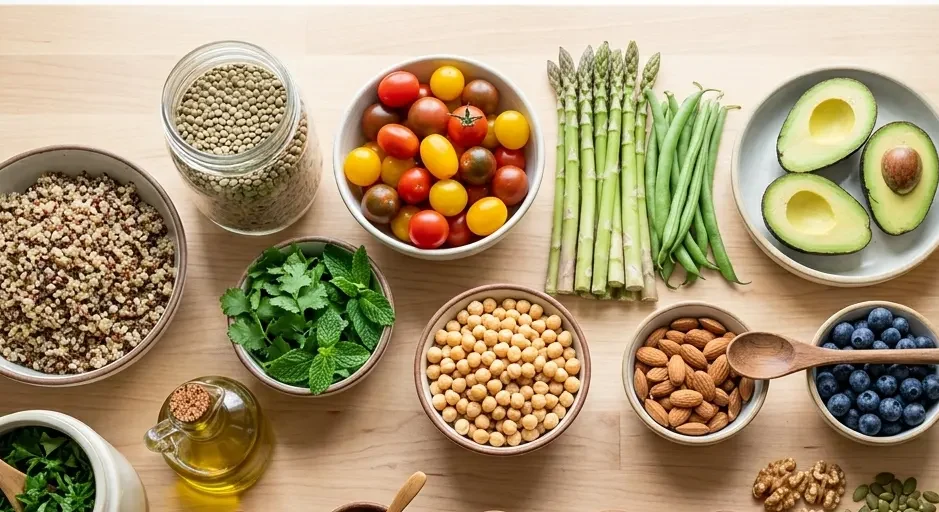
One of the best parts about this style is how accessible it is. You don’t need a gourmet pantry—just a solid base of versatile ingredients.
Proteins
Protein is the backbone of satisfying meals. I like to rotate between:
- Chicken breast or thighs
- Eggs
- Canned beans (black beans, chickpeas)
- Lentils
- Salmon or other fish
- Greek yogurt
These are affordable, easy to cook, and incredibly versatile.
Vegetables
Fresh or frozen both work great. I always keep:
- Broccoli
- Bell peppers
- Spinach or kale
- Zucchini
- Sweet potatoes
- Cherry tomatoes
Frozen veggies are honestly underrated. They save time and reduce waste.
Healthy Fats
Fats add flavor and keep you full longer.
- Olive oil
- Avocado
- Nuts (almonds, walnuts)
- Seeds (chia, flax)
A drizzle of olive oil can completely transform a dish.
Flavor Boosters
This is where the magic happens.
- Garlic
- Onion
- Lemon juice
- Herbs (parsley, cilantro)
- Spices (paprika, cumin, chili flakes)
- Soy sauce or balsamic vinegar
You don’t need complicated sauces—just smart layering of flavors.
Easy Heartumental Recipe (Step-by-Step)
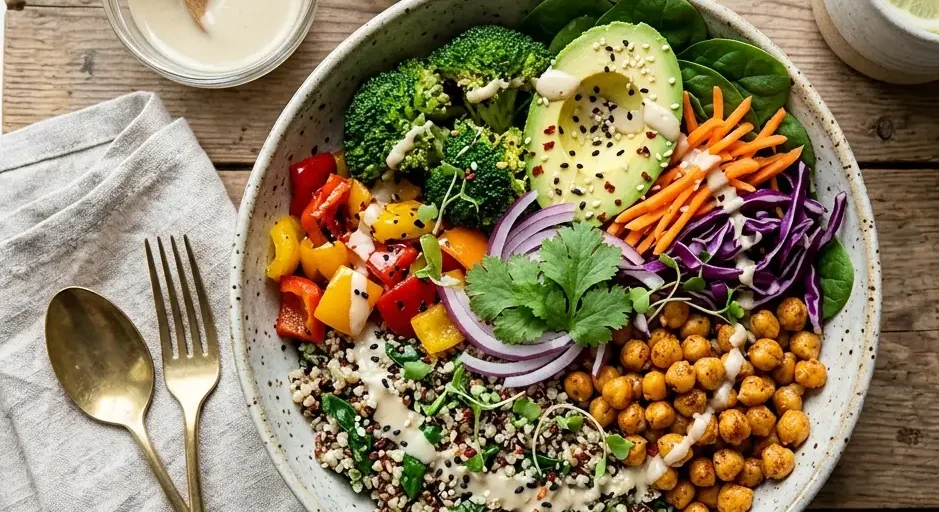
Quinoa Veggie Power Bowl Recipe
This is my go-to recipe when I want something healthy, filling, and honestly comforting at the same time.
Ingredients
| Ingredient | Quantity |
| Quinoa | 1 cup |
| Water or broth | 2 cups |
| Olive oil | 2 tbsp |
| Broccoli (chopped) | 1 cup |
| Bell pepper (sliced) | 1 |
| Chickpeas (canned) | 1 cup |
| Garlic (minced) | 2 cloves |
| Lemon juice | 1 tbsp |
| Tahini | 2 tbsp |
| Salt & pepper | To taste |
Step-by-Step Method
- Rinse quinoa thoroughly, then cook it in water or broth for about 15 minutes.
- While that’s cooking, heat olive oil in a pan.
- Add garlic, then toss in broccoli and bell peppers.
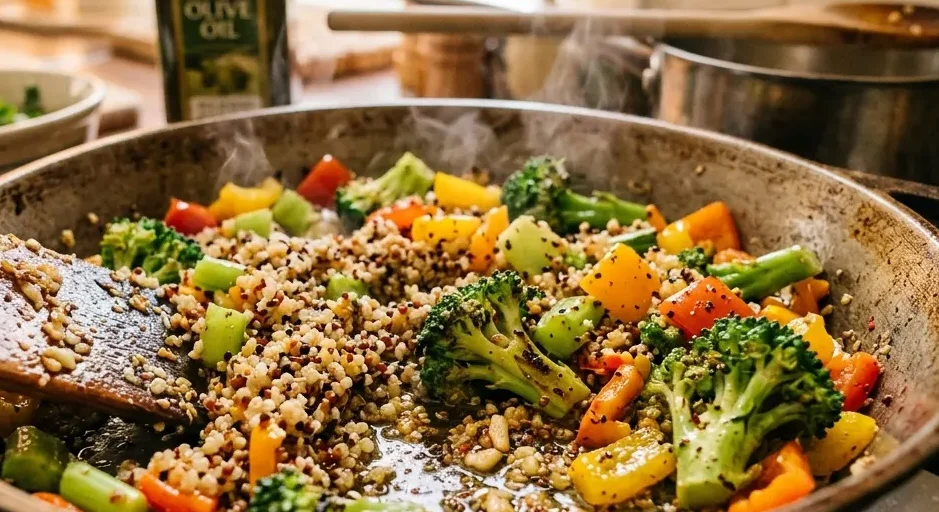
- Cook for 5–7 minutes until slightly tender but still crisp.
- Add chickpeas and season with salt and pepper.
- In a small bowl, mix tahini and lemon juice for dressing.
- Assemble your bowl: quinoa first, then veggies, then drizzle dressing.
Pro Tips
- Use vegetable broth instead of water for extra flavor
- Don’t overcook the veggies—texture matters
- Add avocado for extra creaminess
Nutrition Table
| Nutrient | Value |
| Calories | 420 |
| Protein | 15g |
| Carbs | 50g |
| Fat | 18g |
5 Easy Heartumental Dinner Recipes
When I don’t feel like overthinking dinner, these are my go-to options.
One-Pan Chicken & Veggies
Toss chicken, potatoes, and green beans with olive oil and seasoning. Roast everything on one pan. Minimal cleanup, maximum flavor.
Veggie Stir Fry
Quick, flexible, and perfect for leftovers. Use whatever veggies you have and toss them in soy sauce, garlic, and a touch of honey.
Salmon Sheet Pan
Salmon with asparagus and lemon slices—bake for 15 minutes. That’s it. It feels fancy but takes almost no effort.
Lentil Power Bowl
Cook lentils with spices, add roasted veggies, and top with yogurt sauce. Super filling and budget-friendly.
Quick Pasta with Garlic & Spinach
Cook pasta, sauté garlic and spinach in olive oil, and toss everything together with parmesan.
Each of these meals keeps things simple while still feeling complete.
Meal Prep Guide for Heartumental Cooking
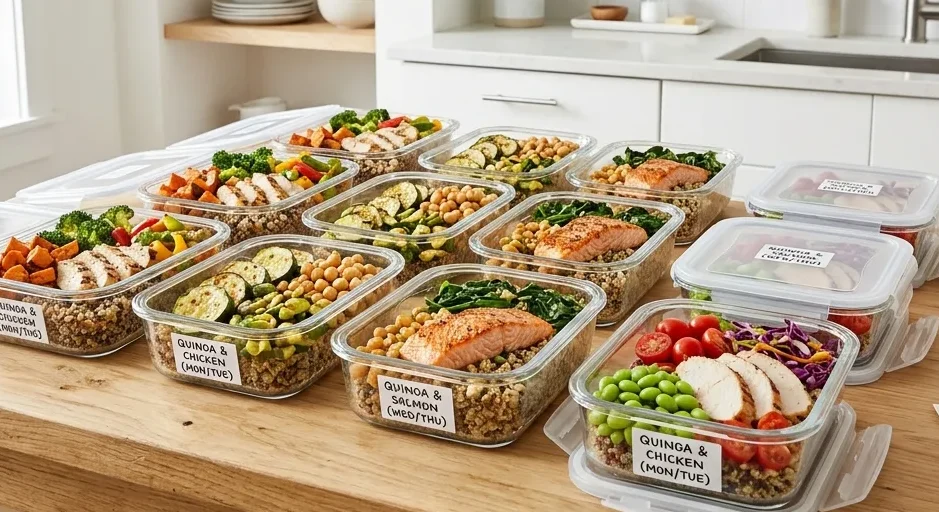
Meal prep doesn’t have to be overwhelming. I keep it realistic and flexible.
Weekly Plan
Instead of planning every single meal, I prep components:
- Cook grains (quinoa, rice)
- Roast veggies
- Prepare one protein
Then mix and match throughout the week.
Storage Tips
- Use airtight containers
- Store dressings separately
- Keep cooked grains for up to 4 days
Time-Saving Hacks
- Buy pre-chopped veggies
- Use sheet pan cooking
- Cook in batches
This approach saves time without making you feel stuck eating the same meal.
Heartumental Cooking vs Normal Cooking
| Feature | Heartumental Cooking | Normal Cooking |
| Focus | Balance & feeling | Convenience |
| Ingredients | Whole & simple | Often processed |
| Experience | Mindful | Rushed |
| Health Impact | Long-term benefits | Short-term satisfaction |
| Flexibility | High | Medium |
Common Mistakes to Avoid
Overcooking
This kills both flavor and nutrition. Keep an eye on cooking times.
Wrong Ingredients
Using too many processed items defeats the purpose. Keep it simple.
Skipping Prep
Even 10 minutes of prep makes cooking smoother.
Expert Tips for Better Results
Flavor Layering
Start with garlic and onions, then build flavors gradually.
Ingredient Swaps
No quinoa? Use rice. No chicken? Use beans. Stay flexible.
Plating Tricks
Even simple meals look better when plated nicely. It actually makes you enjoy food more.
Heartumental Quinoa Power Bowl with Tahini Dressing
Ingredients
Equipment
Method
- Rinse quinoa thoroughly under running water.
- Add quinoa and broth to a pot, bring to boil, then simmer for 12–15 minutes.
- Preheat oven to 400°F (200°C).
- Spread sweet potatoes and chickpeas on a tray, drizzle olive oil, add salt and pepper.
- Roast for 25–30 minutes until golden.
- Massage chopped kale with a pinch of salt for 1 minute.
- Mix tahini, lemon juice, garlic, salt, and water to make dressing.
- Assemble bowl with quinoa, roasted veggies, kale, tomatoes, and avocado.
- Drizzle dressing and add toppings.
- Serve warm or cold.
FAQs
1. What is heartumental cooking?
It’s a mindful cooking style focused on emotional and physical well-being.
2. Is it good for beginners?
Yes, it’s one of the easiest approaches to start with.
3. Do I need special ingredients?
No, just basic pantry staples.
4. Can I meal prep this way?
Absolutely, it works great for meal prep.
5. Is it expensive?
Not at all—it’s actually budget-friendly.
6. How is it different from healthy eating?
It includes emotional satisfaction, not just nutrition.
7. Can I eat carbs?
Yes, balanced carbs are encouraged.
8. How long do recipes take?
Most are under 30 minutes.
Final Thoughts
If there’s one thing I’ve learned, it’s this—cooking doesn’t have to be complicated to be meaningful. Heartumental cooking brings you back to the basics, but in a way that feels modern and practical.
Start small. Try one recipe. Pay attention to how it makes you feel. That’s really the core of it.
Over time, you’ll notice something shift—not just in your meals, but in your entire relationship with food. And honestly, that’s where the real value is.