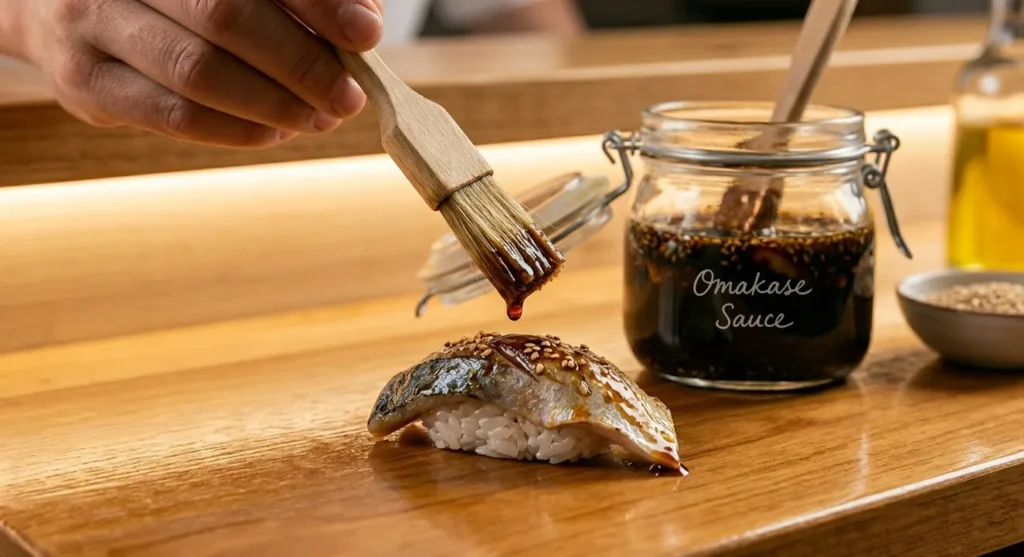
If you’ve ever sat at a sushi bar and watched a chef brush that glossy, savory glaze over a piece of nigiri, you know exactly what I’m talking about. That deep, rich flavor isn’t just soy sauce it’s something more balanced, more refined. That’s where this omakase sauce recipe comes in.
I’ve spent a lot of time testing different versions in my own kitchen, trying to recreate that restaurant-style finish at home. And honestly, once you get it right, it changes everything. Your sushi tastes better, your grilled fish feels elevated, even a simple rice bowl suddenly feels like something special.
This omakase sauce recipe is all about balance. You’re working with umami, a little sweetness, and just enough acidity to keep things from feeling heavy. It’s not complicated, but it does require a bit of attention to detail.
If you’re someone who loves experimenting in the kitchen or just wants to upgrade your homemade sushi nights, you’re in the right place. I’ll walk you through everything from what this sauce really is to how to make it taste like something you’d get at a high-end sushi spot.
What is Omakase Sauce?
The word “omakase” loosely translates to “I’ll leave it up to you.” In Japanese dining, it means you trust the chef to decide what you eat. That idea carries over into this sauce it’s not a fixed recipe, but more of a philosophy.
When I first learned about omakase sauce, I realized it’s not about strict measurements. It’s about balance and intention. In Japanese cuisine, especially sushi, sauces are meant to enhance not overpower the main ingredient. That’s a big difference from many Western sauces.
Omakase sauce is typically a light, umami-rich glaze made with ingredients like soy sauce, mirin, rice vinegar, and sometimes dashi. It’s brushed onto sushi or drizzled lightly over dishes. The goal is to bring out the natural flavors of fish, rice, or vegetables.
What makes it interesting is that every chef has their own version. Some add ginger, some use garlic, others bring in kombu or bonito flakes for deeper umami. There’s no single “correct” way.
For me, that’s what makes this sauce fun to make at home. You’re not just following a recipe you’re building flavor based on your taste. Once you understand the basics, you can adjust it however you want.
Why This Sauce Works
Let’s talk about why this sauce tastes so good, because once you understand the flavor structure, everything clicks.
First, you’ve got umami, which is the backbone. This comes mainly from soy sauce and sometimes dashi. Umami is that deep, savory taste that makes food feel satisfying. It’s not salty exactly it’s richer than that.
Then comes the sweetness. Mirin or sugar softens the sharp edges of the soy sauce. Without it, the sauce would feel too aggressive. I like using mirin because it adds a subtle complexity, but sugar works just fine if that’s what you have.
Next is acidity, usually from rice vinegar. This is what keeps the sauce from feeling heavy. A little acid brightens everything and makes the flavors pop.
Finally, you’ve got aroma and depth from ingredients like sesame oil, ginger, and garlic. These don’t dominate the sauce, but they add layers.
When all of these elements come together, you get something balanced. Not too salty, not too sweet, not too sharp. Just smooth, glossy, and incredibly versatile.
That balance is what separates a good omakase sauce from a great one.
Ingredients
Here’s what I use in my go-to version. Everything is easy to find in most US grocery stores.
Ingredients Table
| Ingredient | Amount | Purpose |
| Soy sauce | 1/2 cup | Base flavor, umami |
| Mirin | 1/4 cup | Sweetness, shine |
| Rice vinegar | 2 tbsp | Acidity, balance |
| Sugar or honey | 1–2 tbsp | Sweetness control |
| Sesame oil | 1 tsp | Aroma |
| Garlic | 1 clove | Depth |
| Ginger | 1 tsp | Freshness |
| Dashi (optional) | 1 tsp powder | Extra umami |
I always recommend using low-sodium soy sauce. It gives you more control over the final taste.
Substitutes
If you’re missing something, here’s what works:
- No mirin? Use a mix of white wine and sugar
- No dashi? Try mushroom broth
- No rice vinegar? Apple cider vinegar works
- No sesame oil? Skip it or use a tiny bit of toasted sesame seeds
The key is keeping that balance intact.
How to Make Step-by-Step
This part is simple, but don’t rush it. The magic happens in the details.
Step 1: Combine Your Base
In a small saucepan, add soy sauce, mirin, and rice vinegar. Stir gently. This is your foundation.
Step 2: Add Sweetness
Add sugar or honey and stir until it dissolves. Taste it. You want a slight sweetness, not dessert-level.
Step 3: Add Aromatics
Mix in garlic and ginger. Fresh is always better here. It makes a noticeable difference.
Step 4: Gentle Heat
Turn the heat to medium-low. Let it warm up slowly. Don’t boil it hard—this can ruin the balance.
Step 5: Add Dashi (Optional)
If you’re using dashi, add it now. It deepens the umami flavor.
Step 6: Simmer
Let it simmer for about 5–8 minutes. You’ll notice it thickens slightly and becomes glossy.
Step 7: Finish with Sesame Oil
Turn off the heat and stir in sesame oil. This keeps the aroma fresh.
Step 8: Cool
Let it cool completely. It thickens more as it cools.
One tip I learned the hard way don’t overcook it. The flavor gets too strong and loses that clean finish.
Learn More Recipes
- North Italia Spicy Rigatoni Vodka Recipe
- Heartumental Recipe Guide
- Hot Cheeto Boudin Balls Recipe
- Molokai Chicken Recipe
- Brenda Gantt Biscuit Recipe
Chef Tips for Perfect Omakase Sauce
I’ve messed this up enough times to know what really matters.
- First, control your heat. High heat kills the delicate balance. Keep it low and slow.
- Second, use good ingredients. Cheap soy sauce or old sesame oil will show up in the final taste.
- Third, taste as you go. This isn’t a set-it-and-forget-it recipe. Adjust sweetness or acidity depending on your preference.
- Also, don’t overdo the sesame oil. It’s strong. A little goes a long way.
And finally, let the sauce rest. It tastes better after sitting for a bit. The flavors settle and blend together.
Common Mistakes to Avoid
- One of the biggest mistakes is overcooking. It makes the sauce too salty and intense.
- Another is adding too much sesame oil. It can overpower everything else.
- Balance is everything here. Too sweet? It feels off. Too acidic? It’s sharp.
- Also, don’t skip tasting. Every batch can be slightly different depending on your ingredients.
Omakase Sauce Variations
Once you’ve got the base recipe down, you can start experimenting.
- Spicy version: Add chili oil or red pepper flakes. It gives a nice kick without ruining the balance.
- Vegan version: Skip dashi and use mushroom broth. Still rich and flavorful.
- Citrus twist: Add a splash of yuzu or lemon juice. Bright and fresh.
- Fusion version: I’ve tried adding a bit of maple syrup instead of sugar. It gives a deeper sweetness.
This is where the fun really starts.
What to Serve with Omakase Sauce
This sauce is incredibly versatile.
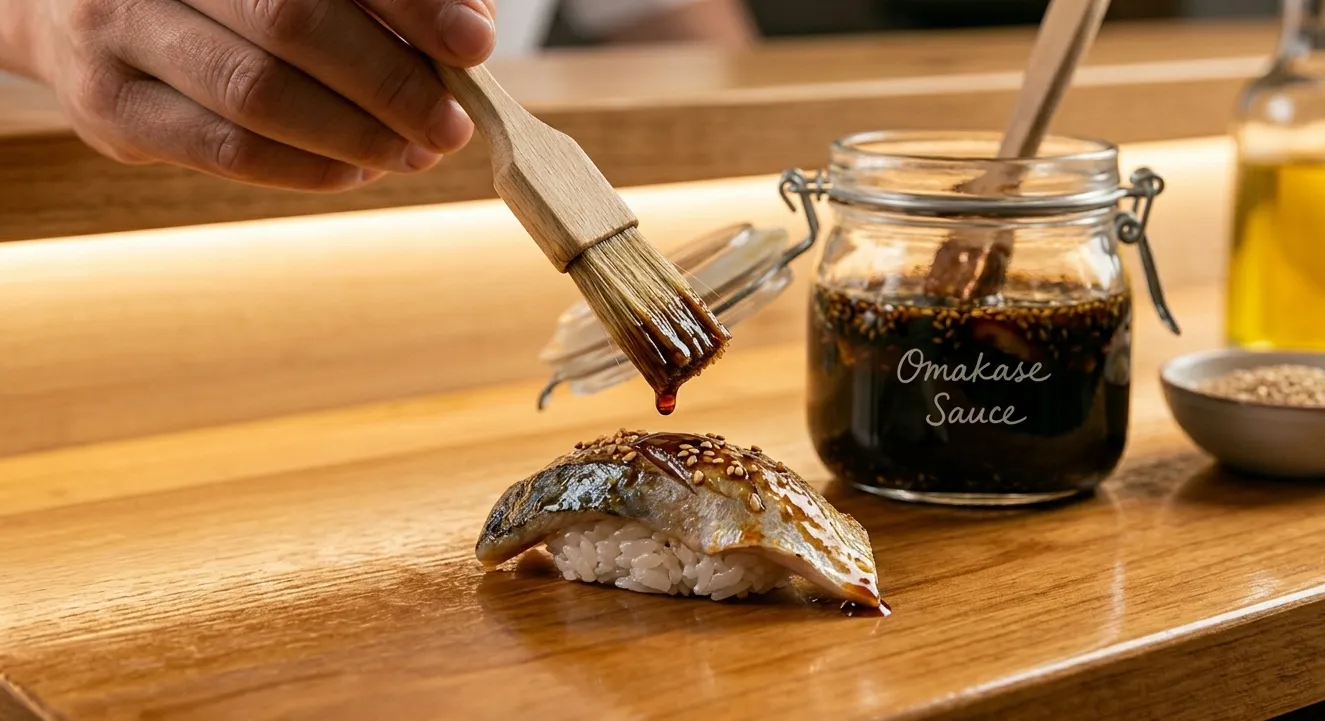
I use it most often on sushi and sashimi. Just a light brush is enough.
It’s also great on grilled salmon or chicken. It caramelizes slightly and adds a glossy finish.
Rice bowls? Absolutely. Drizzle it over plain rice and you’ve got something special.
Even vegetables work. Roasted broccoli or stir-fried greens taste amazing with it.
Omakase Sauce vs Other Sauces
| Sauce | Flavor Profile | Texture | Use |
| Omakase | Balanced | Light | Sushi, glaze |
| Teriyaki | Sweet, thick | Thick | Grilling |
| Eel sauce | Very sweet | Syrupy | Sushi topping |
Omakase is lighter and more refined. It’s about balance, not dominance.
Storage, Shelf Life & Reheating
Store your sauce in an airtight container in the fridge.
It lasts about 1–2 weeks. Always use a clean spoon.
If it thickens too much, warm it gently. Don’t boil it again.
Omakase Sauce Recipe
Ingredients
Equipment
Method
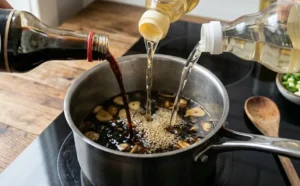
- In a small saucepan, add soy sauce, mirin, and rice vinegar. Stir gently. This is your foundation.
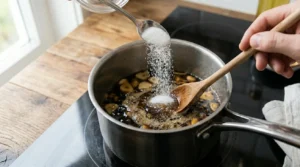
- Add sugar or honey and stir until it dissolves. Taste it. You want a slight sweetness, not dessert-level.
- Mix in garlic and ginger. Fresh is always better here. It makes a noticeable difference.
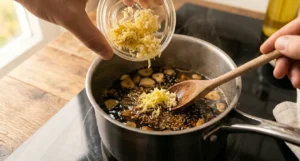
- Turn the heat to medium-low. Let it warm up slowly. Don’t boil it hard this can ruin the balance.
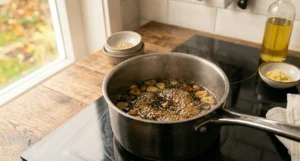
- If you’re using dashi, add it now. It deepens the umami flavor.
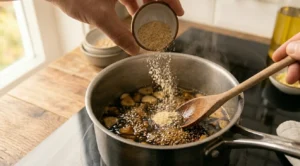
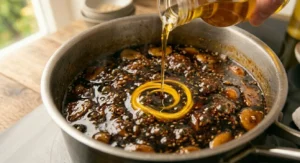
- Let it simmer for about 5–8 minutes. You’ll notice it thickens slightly and becomes glossy.
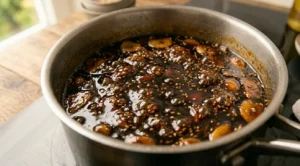
- Turn off the heat and stir in sesame oil. This keeps the aroma fresh.
- Let it cool completely. It thickens more as it cools.

Notes
- Use low-sodium soy sauce to control saltiness and avoid an overly strong flavor
- Fresh ginger and garlic give the best taste — avoid powdered versions if possible
- Keep the heat low to medium-low while cooking; high heat can ruin the balance
- The sauce will thicken slightly as it cools, so don’t over-reduce it
- Taste before storing and adjust sweetness or acidity if needed
- A small amount of sesame oil is enough — too much can overpower the sauce
- Let the sauce rest for at least 30 minutes before using for better flavor
- Always use a clean spoon to avoid contamination and increase shelf life
FAQs
What is omakase sauce made of?
Soy sauce, mirin, vinegar, and aromatics.
Can I make it without mirin?
Yes, use sugar and a bit of vinegar.
How long does it last?
About two weeks refrigerated.
Is it the same as teriyaki?
No, it’s lighter and less sweet.
Can I freeze it?
Yes, but flavor may change slightly.
How do I thicken it?
Simmer a bit longer.
Final Thoughts
If you’ve made it this far, you’re more than ready to try this yourself. This sauce isn’t complicated, but it does reward a little patience.
Once you get comfortable with it, you’ll start using it everywhere. That’s what happened to me. It went from a sushi only thing to something I keep in my fridge all the time.
Try it once, tweak it to your taste, and make it your own. That’s really what omakase is all about.